18 Oct, 2026

Can You Really Start a Business With $100?
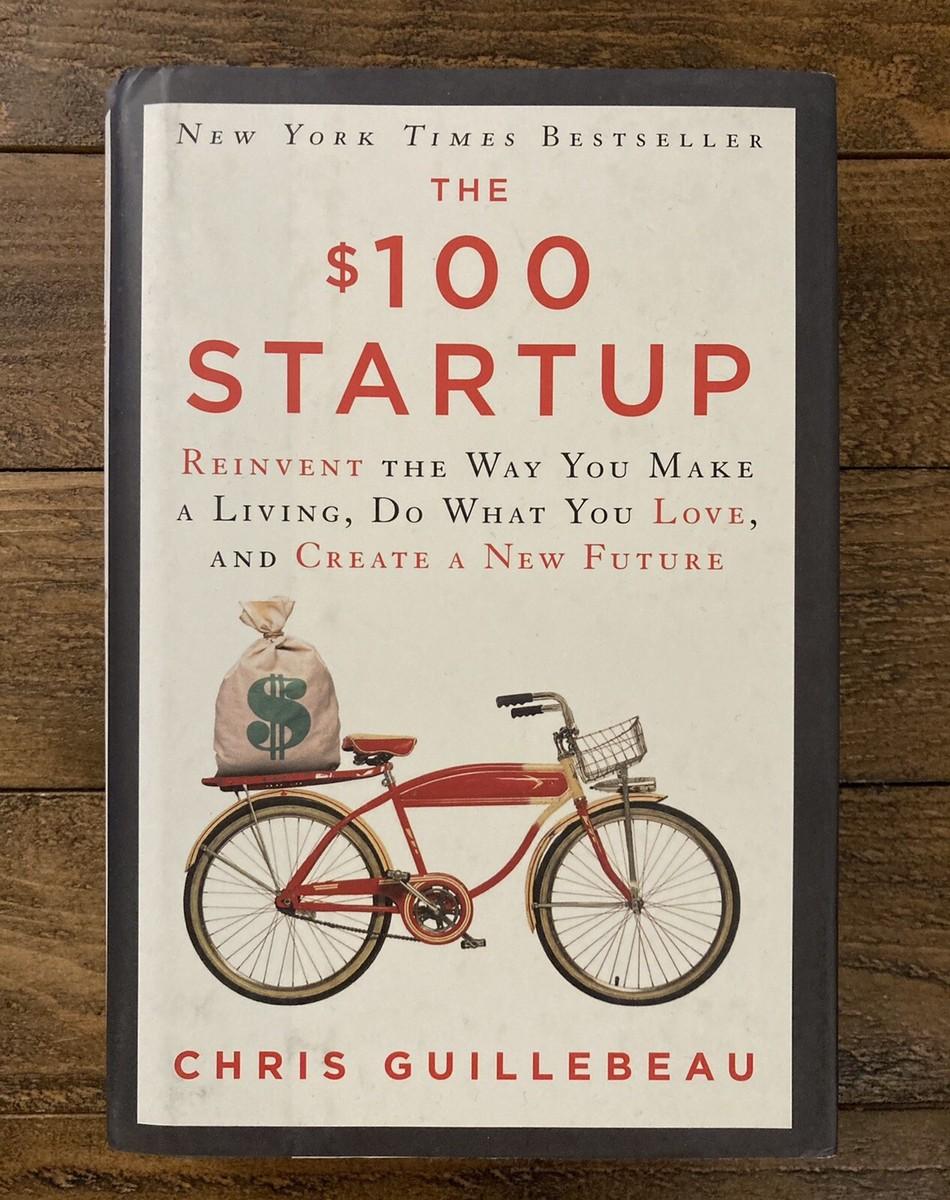
What The $100 Startup by Chris Guillebeau says about turning a small idea into a real business.
Many people think they need thousands of dollars, a business plan, an office, a website, and the perfect idea before they can start. Chris Guillebeau's The $100 Startup argues that most of that can wait. The book was first published in 2012, and its core point still holds up.
What the entrepreneurs had in common
Guillebeau studied people who built profitable small businesses, many of them starting with very little money. Their businesses were rarely impressive on paper. Some sold services, some made products, and many solved everyday problems in practical ways.
Access to investment capital wasn't the common thread. They found out what people needed, found customers willing to pay for it, and got started.
That matters for anyone who has said, "I'd love to start a business, but I don't have the money." Money is often the reason people put off starting.
Five lessons from the book
1. Start with what you already know
You don't need a new technology. You might be good at organizing, fixing things, teaching, cooking, bookkeeping, or solving problems for other people. The more useful question is what someone would pay you to do.
2. Find customers before spending money
Plenty of people spend their savings on a website, equipment, and branding before they know whether anyone wants the product. Talk to potential customers first. Find out what they need and whether they'll pay for a solution.
One paying customer tells you more than a pile of encouraging comments.
3. Start small and improve
A first version doesn't have to be polished. Begin with one service, one product, or one client. Learn from what happens, fix what isn't working, and grow based on real demand. Starting small lowers your risk and gets you experience faster.
4. Put revenue ahead of appearances
A good logo won't pay the bills, and neither will an office or nice business cards. Branding and professionalism do matter, but when money is tight, put your energy first into getting customers, delivering value, and getting paid.
5. Build a business that fits your life
A successful business doesn't have to be a large company. Some people want steady income and control over their schedule. Others want to replace a job or eventually hire a team.
The right business is the one that fits your goals.
Could you start something for $100 today?
Maybe. Here are a few possibilities:
Mobile services: Offer a service using tools and transportation you already have.
Tutoring or consulting: Sell the professional knowledge you already have.
Digital services: Help businesses with writing, administration, social media, or online research.
Personal assistance: Provide organizing or other help to a specific group of clients.
Creative services: Sell photography, design, or writing using equipment you already own.
Not every business can launch for $100. Licensing, insurance, transportation, and software can add up quickly.
The more useful takeaway is how little you need to spend to test whether an idea works before committing serious money.
A seven-day test: Can you turn an idea into a business?
At Anderson Career Training Institute (ACTI), we believe an idea only becomes a business when you take action.
Here's a simple one-week challenge:
Day 1: List three skills or resources you already have.
Day 2: Pick a problem you could solve for someone.
Day 3: Create one simple product or service offer.
Day 4: Set a price and identify potential customers.
Day 5: Tell five potential customers what you're offering.
Day 6: Ask for a sale or a paid trial.
Day 7: Review what you learned and decide on your next step.
You might make a sale. You might find that your offer needs work. Either way, you'll know more at the end of the week than you did at the start.
And you might discover that starting a business isn't nearly as complicated as you thought.
Is The $100 Startup worth reading?
If you're thinking about self-employment, a side business, or whether you can afford to start one, it's a useful place to begin.
It offers practical examples and a different way to think about what starting a business costs.
It won't replace market research, financial planning, or hard work. What it can do is help you get past the belief that you need everything figured out before you begin.
Find The $100 Startup by Chris Guillebeau on Amazon
Affiliate disclosure: As an Amazon Associate, I earn from qualifying purchases. This article contains an affiliate link.
Ready to give your business idea a try?
You don't need to quit your job, invest your savings, or have everything figured out to explore entrepreneurship.
Start with an idea. Talk to potential customers. See if someone will pay for what you're offering.
And if you discover that you want to take the next step, you don't have to figure everything out alone.
At Anderson Career Training Institute (ACTI), we help aspiring entrepreneurs turn ideas into businesses through practical training, business planning, and coaching.
Whether you have a detailed business concept or are still exploring what's possible, getting started is often the most important step.
Learn more at www.acti.org.
Your first business doesn't have to start with $100. But it does have to start somewhere.